


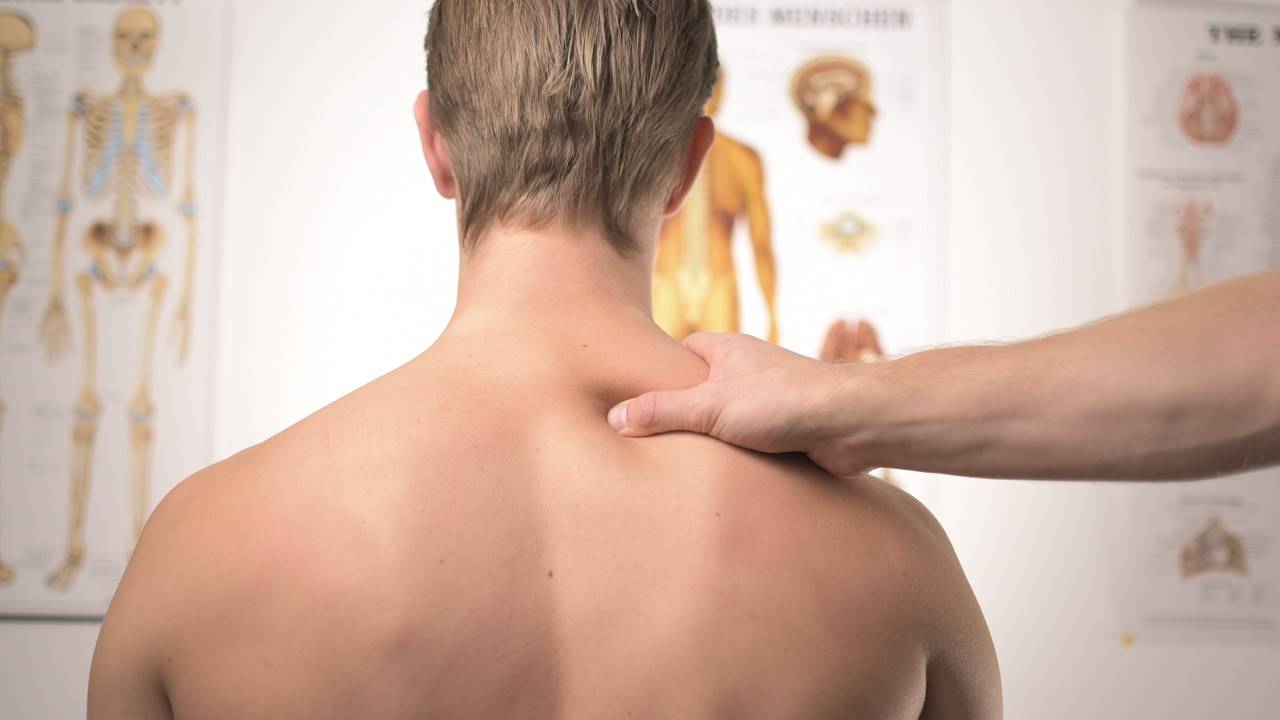
With the help of various muscle movements, energy blocks in the body are revealed.
Kinesiology Theory And Its Historical Development
Kinesiology was developed in the 1960s by the American cryptractor Dr. Developed by George Goodheart. In his view, muscular balance is an important prerequisite for the correct functioning of all organs. Each muscle is in contact with a chakra and certain organs. Therefore, a fatigue in the muscles may be a sign of an energy blockage and accordingly fatigue, concentration disorders and psychosomatic complaints may appear. According to Goodheart, every muscle in the body corresponds to an opposite muscle. Accordingly, solving the contractions and cramps in a muscle can only be possible by strengthening the opposite muscle of that muscle. Over the years, with the addition of other techniques, he developed a treatment method called applied kinesiology.
How Kinesiology is Applied:
One of the most important methods of kinesiology practitioners is "muscle tests". Thus, imbalances in the muscle system can be revealed. The kinesiology practitioner applies gentle pressures on various muscles. Normally functioning muscles can withstand this pressure, while muscles with low energy respond to this pressure. Thus, energy blockages in the body are revealed. In order to overcome these blockages, techniques such as massages applied to certain reflex points and relaxation techniques are used.
Apart from that, the mere application of muscle tests can improve the energy flow. Many patients can feel it in their body. In other words, they feel relaxed, balanced and relaxed. If necessary, the kinesiology specialist can also give exercises that can be repeated regularly at home. Good training of practitioners is essential for successful treatment.
Application Areas of Kinesiology
- back pain,
- Obesity,
- Migraine,
- adele cramps,
- allergies,
- digestive disorders,
- Depression,
- Anxiety,
- concentration disorders,
- thinking difficulties,
- Stress of exam,
- Reading and writing difficulties
- Hyperactivity.