


What is Manual Medicine?
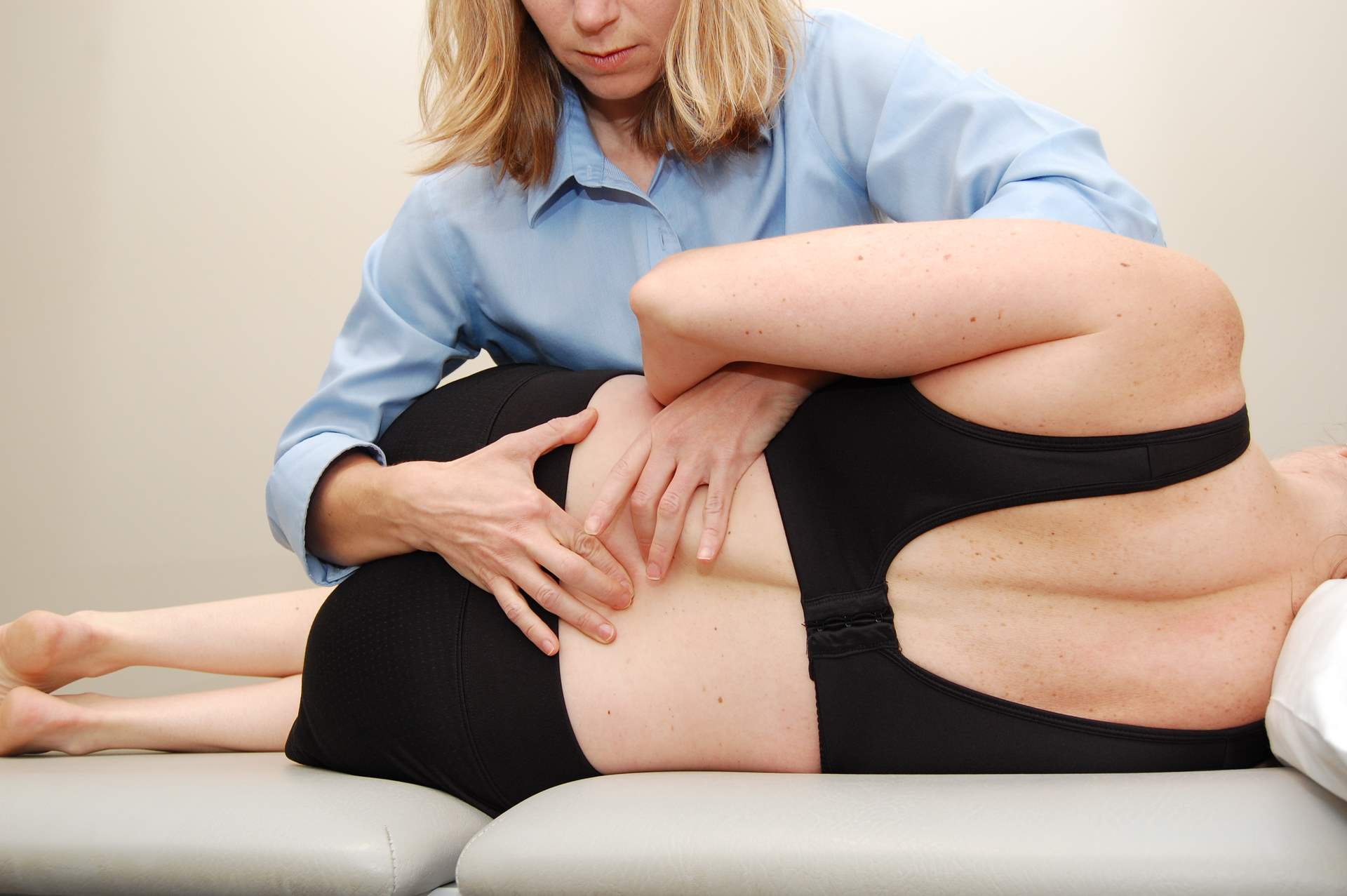
The medical science that deals with manual methods scientifically, researches and explains indications, contraindications, application techniques and effects in the light of current information is called "manual medicine". The purpose of manual medicine; ensuring the optimization of body mechanics, providing painless and maximal movement and function in an appropriate posture. For this purpose, the pathology causing dysfunction and the resulting chain reactions should be determined by using manual examination techniques.
Manual therapy means hands-on treatment. If we make a more detailed definition; It is a mechanotherapy method using only hands in order to correct the movement limitations in the joints and to eliminate reversible dysfunctions. Although often used synonymously, manual therapy and manipulation have different meanings. Manipulation is only one of the methods of manual therapy. Forced passive movements applied to the articular elements within anatomical limits by a manual therapist can be defined as manipulation.
History of Manual Medicine
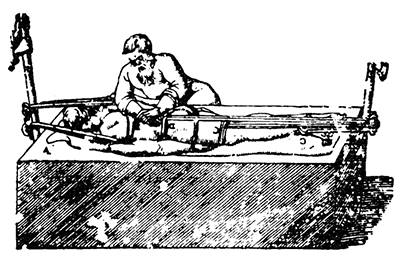
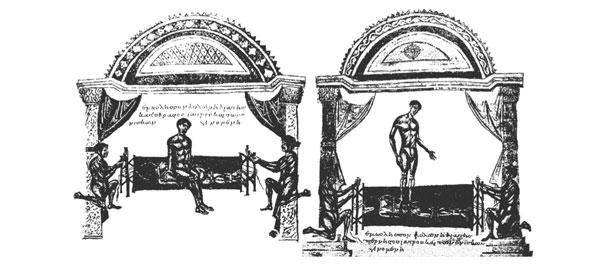
Physicians have used MM Medicine diagnostic and treatment techniques for thousands of years. The first information about manual medicine dates back to BC. It dates back to 3000 years. In the notes of Edwin-Smith-Papyrus (2500-3000 BC), techniques very similar to the manual diagnostic techniques used today for neck pain are mentioned. Edwin Smith Papyruses are inscriptions containing 69 explanations including the original author explanations as well as opinions and additions made over several hundred years (Figure-1). 48 systematically arranged case reports go down from head trauma (thorax, spine, etc.), each case report includes work, title, examination, diagnosis and treatment parts, but some of them are missing. The laws of Hammurabi (2250 BC) are finds engraved on a series of black stones like books. Eight of the 282 rules (stones) cover the laws regarding physicians, fixed medical treatment fees and penalties for malpractice. In the example in Figure-2, it is said: If the physician places a broken bone or heals the diseased bone (joint), the patient must give the physician five silver shekels. Indian physicians such as Susruta (1500 BC), believed to be the founder of Ayurvedic medicine, used manual techniques. Although the history of spinal manipulation goes back to Hippocrates (375-460 BC) and the Ancient Greek physicians and Galen (130-200 BC), it is difficult to trace the development of manual medicine back to the Middle Ages.
Physicians with historical personality such as Hippocrates, Galen and Apoloniy were interested in the pain of the spine, and they talked about pressure therapy, other manual therapy techniques applied with hands and legs. Hippocrates uses the term "pararthrema" in his studies and talks about small joint dislocations and their manual placement: It is known that he said to his students at his school in Kos: "The vertebrae in the pararthrema do not shift much, only a slight amount, if the physician uses his hands and eyes well, he can replace the displaced spine. If this ancient art is well practiced, no harm can come to the patient”. Physicians have used MM Medicine diagnostic and treatment techniques for thousands of years. The first information about manual medicine dates back to BC. It dates back to 3000 years. In the notes of Edwin-Smith-Papyrus (2500-3000 BC), techniques very similar to the manual diagnostic techniques used today for neck pain are mentioned. Edwin Smith Papyruses are inscriptions containing 69 explanations including the original author explanations as well as opinions and additions made over several hundred years (Figure-1). 48 systematically arranged case reports go down from head trauma (thorax, spine, etc.), each case report includes work, title, examination, diagnosis and treatment parts, but some of them are missing.
The laws of Hammurabi (2250 BC) are finds engraved on a series of black stones like books. Eight of the 282 rules (stones) cover the laws regarding physicians, fixed medical treatment fees and penalties for malpractice. In the example in Figure-2, it is said: If the physician places a broken bone or heals the diseased bone (joint), the patient must give the physician five silver shekels. Indian physicians such as Susruta (1500 BC), believed to be the founder of Ayurvedic medicine, used manual techniques. Although the history of spinal manipulation goes back to Hippocrates (375-460 BC) and the Ancient Greek physicians and Galen (130-200 BC), it is difficult to trace the development of manual medicine back to the Middle Ages. Physicians with historical personality such as Hippocrates, Galen and Apoloniy were interested in the pain of the spine, and they talked about pressure therapy, other manual therapy techniques applied with hands and legs. Hippocrates uses the term "pararthrema" in his studies and talks about small joint dislocations and their manual placement: It is known that he said to his students at his school in Kos: "The vertebrae in the pararthrema do not shift much, only a slight amount, if the physician uses his hands and eyes well, he can replace the displaced spine. If this ancient art is well practiced, no harm can come to the patient”.
Pain management
- Chronic headaches
- Facet blockages
- Cervical spasms and pains
- Dysfunctions related to the spinal system
- Muscle diseases originating from neck, thorax, waist-hip
- Cervical muscular straining, thoracic muscular straining, lumbar muscular straining
- Joint dysfunctions and complaints related to joint dysfunction
- Costa blockade
- Sacroiliac joint problems